Start with capacity and load center
Know the heaviest pallet and its load center. Many loads in local distribution buildings are dense; even small increases in fork height or load depth change the effective capacity. If pallets vary, plan for the worst case, not the average.
Surface and environment in South Bend
- Indoors on slab: Electric counterbalance or narrow‑aisle models protect air quality and fit institutional maintenance work.
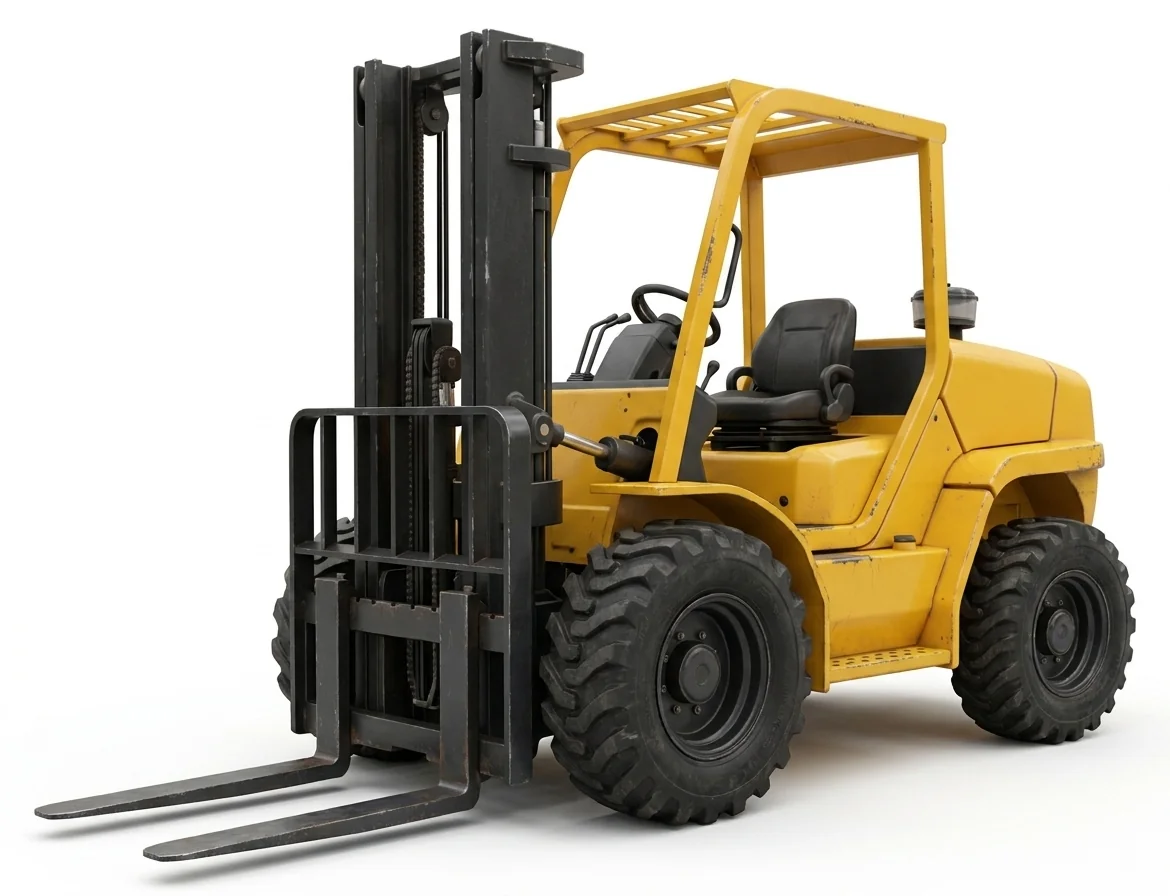
- Mixed docks and yards: Pneumatic‑tire IC units handle thresholds, patched concrete, and occasional outdoor use. Winter ruts and spring softness argue against prolonged yard driving.
- Summer heat: Long exterior shuttles during humid months can affect engine temperatures; factor in rest time per site procedure.
Dimensions that control the choice
- Aisle width and turning radius: Measure the narrowest aisle, including overhangs from racking or conduit.
- Door and height limits: Low headers and mezzanines dictate mast selection and, at times, collapsed height requirements.
- Fork length and carriage options: Match to pallet depths and unloading patterns at local docks.
When a different machine fits better
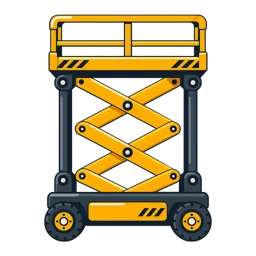
- Frequent person-borne elevation: /electric-scissor-lift-rental/ for slab, /rough-terrain-scissor-lift-rental/ for exterior
- High placement beyond typical mast reach: /telehandler-rental/
- Up-and-over maintenance: /articulating-boom-lift-rental/
South Bend scenarios
- Indoor supplies movement on polished floors at institutional sites
- Cross-dock transfers with mixed pallet sizes in local distribution buildings
- Occasional outdoor staging between bays when weather allows