Start with placement, cable runs, and mast reach
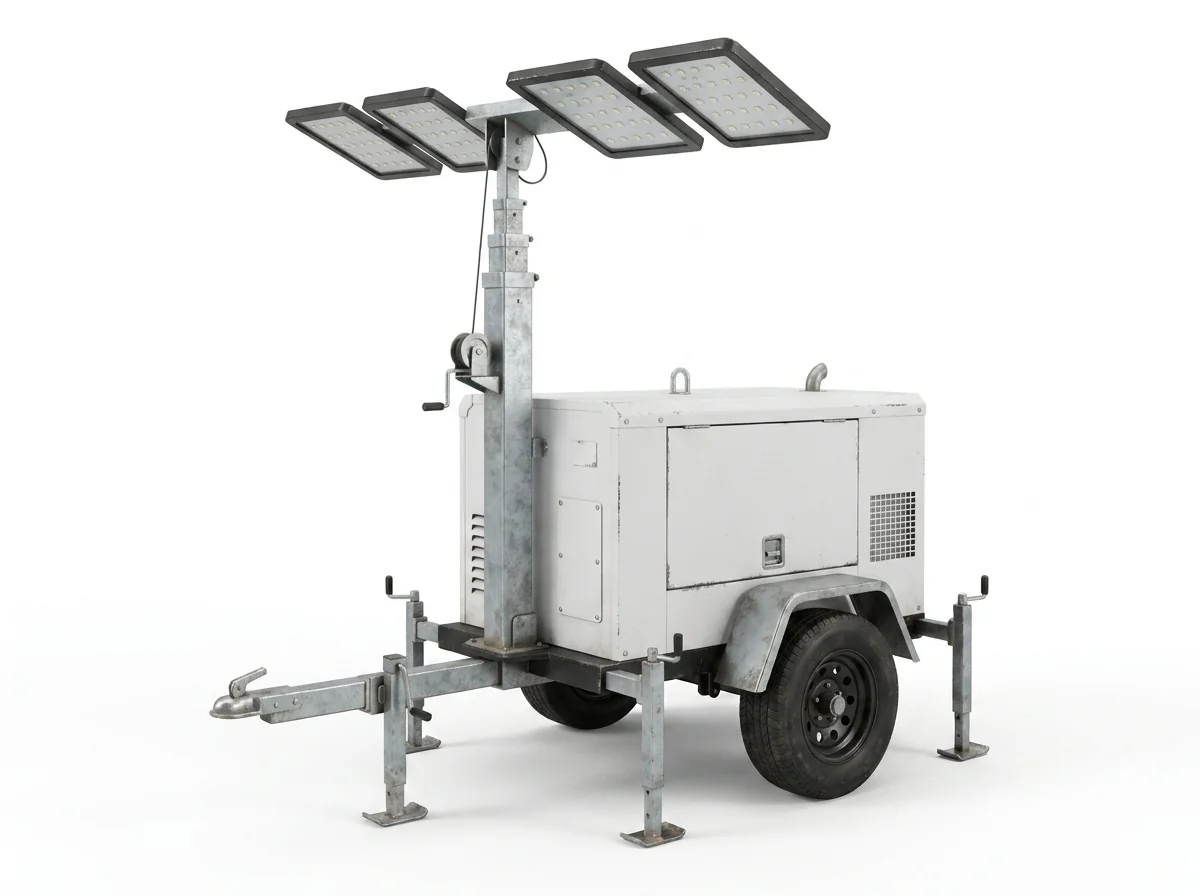
- Can the generator or light tower sit below the task without blocking pedestrian or forklift routes?
- How far are the lighting zones or power loads from the unit, and can cords cross thresholds without creating trip or door-clearance issues?
- Will the mast clear building overhangs, trees, and utilities when fully extended?
South Bend’s mix of large distribution floors and institutional interiors often forces long, protected cable runs and low-glare lighting plans. Narrow service drives and dock aprons can limit turning radius for towable towers.
Ground and weather considerations
Outdoor placements face freeze-thaw cycles and spring ground softness. A firm pad matters more than nominal unit weight; saturated lawns and unreinforced gravel can rut under repeated access. During humid heat, engines and alternators run hotter at lower airflow. In winter, prolonged idling and frequent starts affect battery support and fuel planning.
- Rough, unpaved surfaces: prefer wide-stance towable towers and skids with higher flotation.
- Paved slabs: confirm bearing over joints and ramps; keep exhaust away from air intakes and doors.
- Snow loads and drift patterns: allow safe mast swing and retraction space.
Output sizing and duty cycle
Lighting levels and power output depend on task geometry, not just nameplate ratings. - For loading yards and laydown areas, look at beam pattern uniformity over distance, not just lumen totals. Avoid placing towers where trucks cast long shadows across work zones. - For campus maintenance or interior staging, generators need stable voltage for sensitive tools and lifts. Consider surge behavior when multiple motors start together.
High summer humidity shortens continuous run margins. Plan ventilation clearance around shrouds and avoid recirculating hot exhaust near walls or stacked materials.
Access routes and refueling logistics
Identify the tightest gate, ramp, or hallway the unit must pass. Many South Bend facilities limit access during class changes or shift turnovers. Refueling windows in winter may require plowed paths and ice control around the unit.
Related lift choices
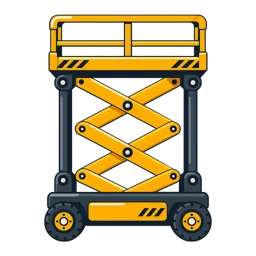
If the lighting task is elevated and needs fixture work, compare access options: - Interior fixture work: /electric-scissor-lift-rental/ - Exterior pole or façade work: /boom-lift-rental/ or /articulating-boom-lift-rental/
Actual conditions, the selected unit’s instructions, and site procedures govern any exterior or elevated work.
When a generator-lighting combo makes sense
Remote lots and temporary event spaces benefit from integrated power and light when utility access is distant. In windy corridors, independent placement of generator and towers may control glare and noise better than a single combined unit.